


Postpartum Depression: Signs, Causes, Symptoms, and Treatment for New Mothers


If you've been following media outlets closely, one of the major cases discussed recently is the Lindsay Clancy trial involving the death of her three children. While the legal case has gained significant public attention, it has also highlighted the lack of awareness about serious postpartum mental health conditions such as postpartum depression and postpartum psychosis.
Understanding Postpartum Depression
Postpartum depression is a depressive disorder that develops during pregnancy or after childbirth. Postpartum depression is not the same as baby blues.
Childbirth and becoming a mother are never easy—physically or emotionally. Nothing truly prepares you for the fear, confusion, joy, sadness, and countless emotions that come with caring for a newborn.
Many mothers experience baby blues, which usually begin two or three days after childbirth and may include crying easily, irritability, mood swings, anxiety, or feeling overwhelmed. These symptoms generally improve within a few days as mothers adjust to this major life transition.
Postpartum depression, however, is more severe and persistent. Symptoms lasting longer than two weeks can interfere with sleep, self-care, relationships, and the ability to care for the baby. According to the American Psychological Association, postpartum depression affects nearly one in seven women and can last for weeks or months without proper postpartum depression treatment, including online counselling and professional support.
Symptoms of Postpartum Depression
Common postpartum depression symptoms include:
Persistent sadness, emptiness, or frequent crying.
Loss of interest or pleasure in activities previously enjoyed(anhedonia)
Extreme tiredness, low energy, or feeling physically slowed down.
Difficulty sleeping, even when the baby is asleep, or sleeping excessively.
Changes in appetite or eating patterns.
Feelings of guilt, shame, worthlessness, or inadequacy as a mother
Intense irritability, anger, or frustration.
Excessive worry, panic attacks, or a constant feeling of being on edge.
Difficulty concentrating or making decisions.
Social withdrawal from family members, friends, or social activities.
Feeling unable to care for oneself or the baby.
Difficulty bonding with the baby or feeling emotionally detached.
Fear of being an incapable or a bad mother.
Thoughts of death, suicide, or harming oneself or the baby.
Postpartum depression can look different from one mother to another. Not every woman experiences every symptom. Some primarily struggle with sadness, while others experience anxiety, anger, numbness, or guilt.
Symptoms often develop gradually, and many mothers hide their distress because they fear judgment or believe these feelings are a normal part of motherhood. Family members and partners should pay close attention to noticeable changes in mood, behavior, sleep, daily functioning, or interactions with the baby.
Causes of Postpartum Depression
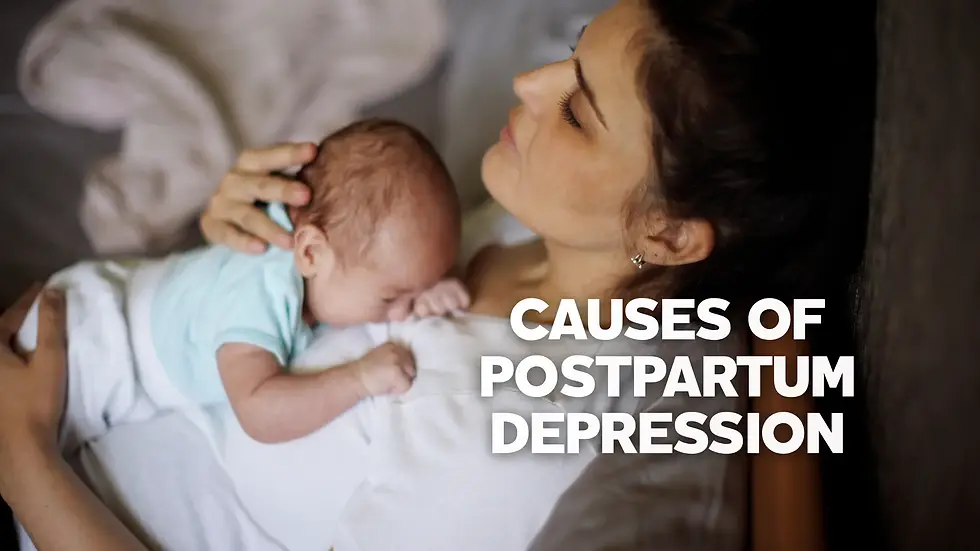
There is no single cause of postpartum depression. It is often a combination of multiple causal factors, such as physical changes, emotional stress, personal vulnerability, and environmental circumstances.
Biological factors-
A drop in estrogen and progesterone levels after childbirth may influence emotional regulation. Changes in thyroid hormones could also contribute to fatigue, low mood, and other depressive symptoms. Pregnancy, labor, delivery, breastfeeding, and continuous infant care can exert considerable stress on the body. Persistent sleep disruption and physical exhaustion can reduce emotional resilience and make it more difficult to cope with daily living challenges. This is especially worse if the mother had a cesarean birth, difficult delivery, or medical complications.
Psychological factors-
A mother may feel anxious about the baby’s health, uncertain about her parenting abilities, or distressed by changes in her identity, body, independence, and daily routine. The unrealistic expectation to be a “perfect” mother can increase guilt and self-criticism. A previous history of mental health disorders like depression, anxiety, bipolar disorder, trauma, or postpartum depression can also increase the risk.
Social and environmental factors-
Limited support from spouse and family, conflict with partner, financial difficulties, bereavement, domestic violence, migration, isolation, breastfeeding difficulties, and a baby’s medical or developmental needs may increase vulnerability. Postpartum depression can also affect mothers who have wanted pregnancies, supportive families, and apparently uncomplicated births.
What Is Postpartum Psychosis?
Postpartum psychosis is a rare yet emergency psychiatric condition. Warning signs include
Hallucinations
Delusions
Severe confusion
Paranoia
Unusually high energy (manic behavior) or an inability to sleep.
Immediate professional help is essential if these symptoms occur.
Treatment for Postpartum Depression

Depending on symptom severity, medical history, breastfeeding status, personal preferences, and available support, postpartum depression treatment usually combines psychotherapy and medication.
Therapy-
Cognitive Behavioral Therapy (CBT) helps mothers challenge negative thoughts, reduce guilt, manage anxiety, and develop healthy coping strategies. Couples therapy can help partners better understand postpartum depression and provide meaningful emotional support. Group therapy also allows new mothers to connect with others experiencing similar challenges. Many mothers today also benefit from online therapy, online counselling, or speaking with a qualified Malayali psychologist in their preferred language, making support more accessible during the postpartum period.
Medications-
In moderate to severe cases of depression, medications are recommended in combination with psychotherapy. A qualified psychiatrist would select and monitor medication, particularly during breastfeeding. Even though many antidepressants can be used while breastfeeding, the benefits and possible risks should be discussed carefully before use.
Practical Tips to Support a New Mother
Ask for help with feeding, household tasks, appointments, and infant care
Take sufficient rest
Eat healthy and nutritious food regularly
Accepting support from others
Spending time outdoors
Maintaining gentle physical activity when medically appropriate
Keeping social connections alive
Postpartum depression is common, serious, and treatable. It does not mean that the mother doesn’t love the newborn or is a bad mother. It just means that they need help. What happened to Lindsay Clancy was terribly unfortunate, but we as a society could prevent such cases by providing the right help and psychoeducation.

Koott understands struggling new moms.
We’re proud of you for being a mother.
You’re not alone in this; Koott is there with you.


Comments